

Logistics is an inevitable part of every industry, with the oil and gas sector being no exception. In this field, logistics involves the complex process of transporting, storing and handling crude oil, natural gas and essential machinery across an extensive supply chain.
However, it is far from a straightforward process. The industry faces unique challenges, including the transportation of heavy, high-value items such as pumps, valves and machinery components that are prone to damage during transit. Inefficient handling due to bulky dimensions, suboptimal space utilisation and the high cost of logistics further add to these complexities.
Therefore, it comes as no surprise that wooden pallets and crates remain a popular choice for shipping and logistical operations. They have consistently proven to be a safe, efficient and cost-effective storage and transport solution for bulky and heavy machinery within the oil and gas industry.
Why Wooden Pallets Are Essential For Oil And Gas Operations
As highlighted above, wooden pallets help address many of the logistical challenges faced by the oil and gas sector. Here is how they support safer, more efficient and more reliable transport and storage operations:
Strength and Load Capacity for Heavy Equipment
Oil and gas operations rely heavily on large, high-value machinery such as pumps, valves and industrial components. Wooden pallets are engineered to withstand substantial weight, providing the strength and load-bearing capacity needed to support these items securely. This reduces the risk of damage during transit, minimising operational downtime and preventing unnecessary cost inefficiencies.
Stability and Durability for Better Handling and Space Utilisation
Bulky or awkwardly shaped equipment often presents handling challenges, especially when effective space utilisation is a concern. Wooden pallets offer a stable and durable structure that enhances the safe storage and movement of oversized items. Their sturdy construction ensures consistent performance, allowing forklifts and other equipment to handle loads more efficiently while making better use of available warehouse and transport space.
Customisable Designs to Fit Different Operational Needs
Every oil and gas operation has its own set of requirements, depending on the type and size of equipment being transported. Wooden pallets can be customised in various dimensions, configurations and load ratings to match these specific needs. This flexibility ensures that even the most irregular or delicate machinery components can be supported safely and securely throughout the logistics process.
Compliance With Industry Safety And Shipping Standards
The oil and gas sector often ships equipment across borders and operates in high-risk environments. Wooden pallets help to ensure compliance with global safety and transport regulations:
ISPM 15 Certification for International Shipping
For companies exporting equipment worldwide, adherence to ISPM 15 is a critical requirement. This international standard mandates heat treatment or fumigation of wooden packaging to prevent the spread of pests across borders. Wooden pallets that comply with ISPM 15 are stamped with a recognised mark, ensuring smooth customs clearance and preventing costly shipment delays.
Fire-resistant and Treated Options for Hazardous Environments
Oil and gas equipment is often handled in high-risk or hazardous environments, where safety standards are especially stringent. Wooden pallets can be manufactured using fire-resistant coatings or treated timber options to enhance safety during storage and transport. These treatments provide an additional layer of protection, reducing fire risks and improving safety in volatile conditions.
Regulatory Compliance Across the Supply Chain
From offshore platforms to international ports, every stage of oil and gas logistics is governed by strict regulations. Wooden pallets that are built to industry standards help operators comply with these rules by offering reliable performance, structural integrity and safe load-handling characteristics. This ensures that companies remain compliant while maintaining smooth and uninterrupted operations.
Wooden Pallets vs. Plastic And Metal Pallets: Which Is Better?
When selecting pallets for oil and gas logistics, it is important to understand how wooden pallets compare to plastic and metal alternatives, particularly in terms of strength and load capacity, environmental impact and cost effectiveness and availability.
Load and Strength Performance
Metal pallets offer very high load capacity but are costly and heavy. Plastic pallets provide consistent performance but may deform or break under extreme loads. Wooden pallets deliver a reliable balance of strength, practicality and affordability, making them suitable for most heavy equipment in the industry.
Environmental Impact
Plastic pallets are non-biodegradable and metal pallets require energy-intensive manufacturing. Wooden pallets are made from renewable materials, can be repaired multiple times and are fully recyclable, resulting in a significantly lower environmental footprint.
Cost Effectiveness and Availability
Wooden pallets are widely available and more affordable to produce and repair compared to metal or plastic alternatives. Their accessibility and lower replacement cost make them a practical and economical choice for large-scale oil and gas operations.
Tips For Maintaining And Handling Wooden Pallets
Proper maintenance and careful handling help extend pallet lifespan and improve safety during operations.
Proper Storage to Prevent Moisture and Damage
Store wooden pallets in a clean, dry and well-ventilated area to prevent mould, warping and water-related deterioration. Keeping them raised off the ground and protected from direct weather exposure helps maintain their structural integrity.
Regular Inspection and Maintenance
Routine checks for loose boards, splinters, cracks and weakened joints are essential. Addressing minor issues early through repairs improves safety and ensures pallets remain capable of supporting heavy loads.
Safe Techniques for Handling Heavy Loads
Use appropriate lifting equipment, ensure even weight distribution and avoid exceeding load limits. Proper handling practices protect both workers and pallets while reducing the risk of damage during transit or forklift operations.
Australian Boxes & Cases: Perth’s Leading Wooden Pallet And Crates Manufacturer
Wooden pallets remain indispensable in the oil and gas industry thanks to their strength, durability, compliance capability and cost efficiency. At ABC Crates, we supply industry-compliant wooden pallets tailored to the demanding needs of oil and gas logistics.
Our range includes custom-built pallets designed to match specific size and load requirements, heat-treated and chemically treated options for ISPM 15 compliance and reinforced pallet structures for added strength when transporting heavy or oversized machinery.
With competitive pricing and a commitment to quality, we provide reliable wooden pallet solutions that support safe, efficient and compliant operations from end to end. Contact us today to discuss the right wooden pallets and crate boxes for your business!
Related News

Understanding Pallet Sizes and Standards for International Logistics
In today’s increasingly interconnected world, globalisation is unavoidable. This...
Keep Reading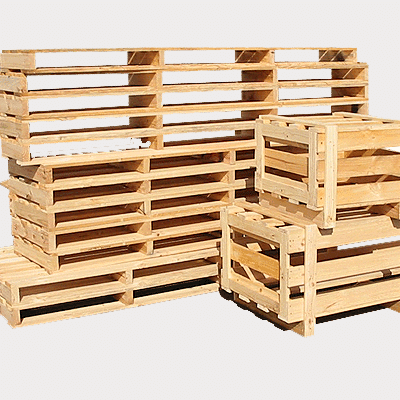
The Role of Wooden Pallets in Modern Supply Chain Logistics
Whether it is packaged food, electronics or clothing, the...
Keep Reading
4 Reasons Custom Wooden Crates Can Transform Manufacturing
When it comes to manufacturing, efficiency, durability, precision and...
Keep Reading Enquire Today